
Security
Electronic & Physical Security Systems
These systems are designed to protect buildings and assets from intruders, fire, and other dangers.
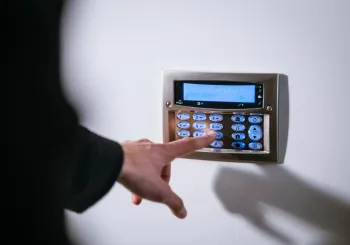
Electronic & Physical Security Systems
These systems are designed to protect buildings and assets from intruders, fire, and other dangers.
CCTV & Video Surveillance Systems
Cameras (IP or HD) that provide visual monitoring, recording, and real-time viewing via mobile apps.
Access Control Systems
These manage who can enter specific areas, often using keycards, key fobs, or biometric scanners (fingerprint/facial recognition).
Intruder/Alarm Systems
Systems featuring sensors (door/window contacts, motion detectors, glass-break detectors) that trigger sirens to deter criminals.
Fire and Environmental Detection Systems
Detectors for smoke, heat, carbon monoxide (CO), or water leaks that can directly alert fire services.
Perimeter Security Systems
Outdoor sensors, security lighting, and automated gates used to detect intruders before they reach a building.
Monitored Security Services
24/7 remote monitoring, where a company alerts law enforcement or fire services in response to an alarm
Cybersecurity & Digital Security
These systems protect networks, computers, and sensitive data from hackers, viruses, and malware.
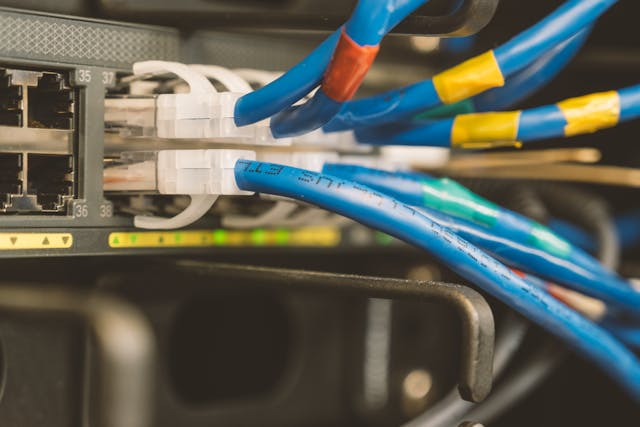
Network Security (Firewalls/VPNs
Rules and tools that protect computer networks from unauthorized access.
Endpoint Security
Protects devices like laptops, phones, and tablets from malware, often through endpoint detection and response (EDR) tools.
Cloud Security
Security measures designed to protect data and applications stored in cloud environments (e.g., AWS, Azure).
Identity and Access Management (IAM)
Systems that manage user identities and access permissions to systems